What is a proximity sensor?
The proximity sensor can replace a mechanical switch such as a limit switch or a microswitch, and can detect the proximity of a detection object without contact.
Detection principle:
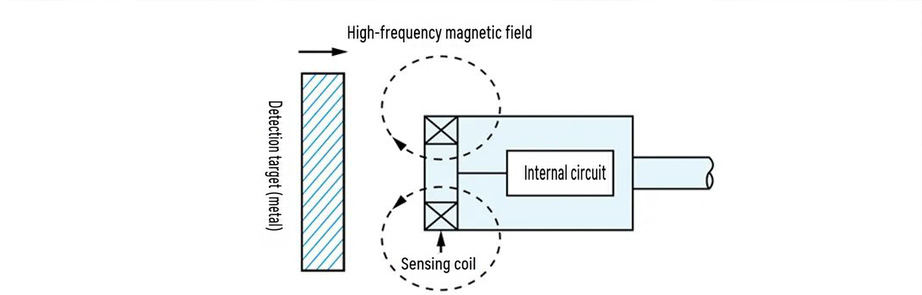
Since the detection coil is used, a high-frequency magnetic field is generated. When a detection object (metal) is brought close to the magnetic field by electromagnetic induction, an induced current (eddy current) flows in the detection object. In this current, when the resistance of the detection coil changes, the detection can be performed by stopping the oscillation.
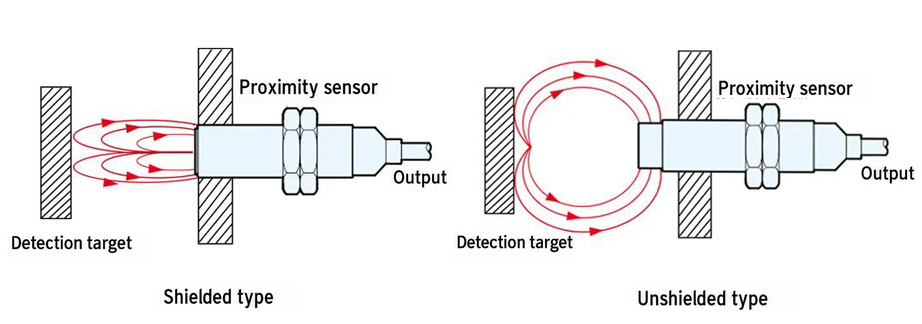
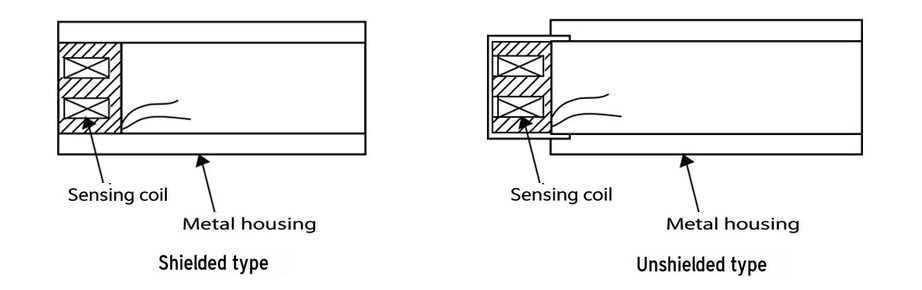
Proximity sensors are divided into shielded type and non-shielded type. The shielded type can also be called buried type or flush type, and the non-shielded type can be called non-buried type or non-flush type.
The shielded magnetic flux is concentrated in the front of the sensor, and the range of its inductive magnetic field is directly in front of the proximity switch.
The unshielded coil magnetic flux protrusion can increase the detection distance, but it is easily affected by the surrounding metal because there is no object protection.
The following is a detailed description of the main differences between shielded and non-shielded:
Shape difference
The sides of the shielded detection coil are covered with metal and can be embedded in metal.
The sides of the non-shielded detection coil are not covered with metal.
Installation difference
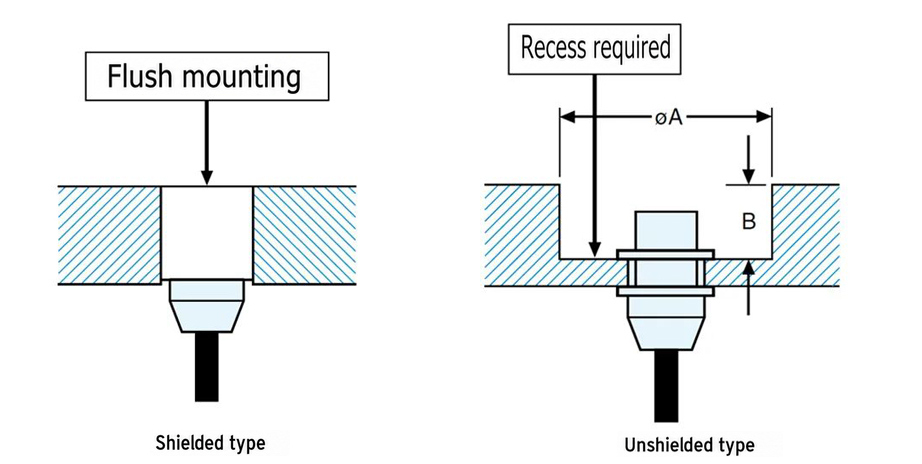
Shielded products can be flat with the metal installation surface, the installation is not affected.
For non-shielded products, the detection surface must be a distance higher than the metal installation surface, otherwise the signal will be output by mistake.
Detection distance
The detection distance of products of the same size, the detection distance of shielded products is relatively close, and the detection distance of unshielded products is relatively far.
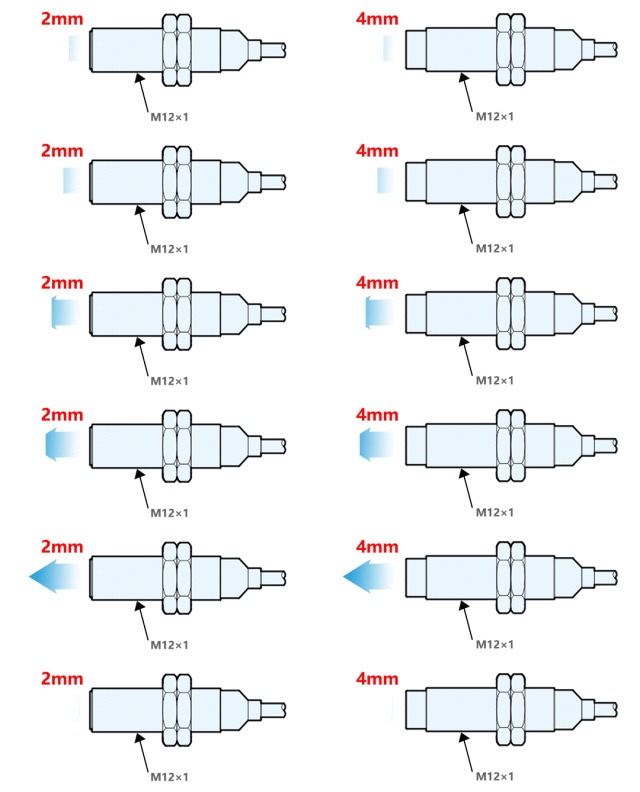
Taking Huayifeng cylindrical proximity sensor M12 as an example, the shielded detection distance is 2mm, while the non-shielded detection distance is 4mm.
The above is the difference between shielding and non-shielding proximity sensors. For more relevant knowledge, please look forward to the next knowledge sharing.