If you need to detect small or transparent objects on a fast-moving production line, an unstable sensing signal can lead to missed detections, unnecessary machine stops, and inconsistent automation performance. Choosing an experienced fiber optic sensor manufacturer helps you find equipment that matches your detection requirements and control system. HUAYIFENG, a Shenzhen-based industrial sensor manufacturer founded in 2009, develops photoelectric and fiber optic sensing solutions for automation equipment manufacturers. Its FR-J20N Fiber Optic Sensor combines dual digital displays, adjustable light intensity, multiple control functions, and an NPN output. These features make it a practical option for applications that require precise detection, flexible parameter adjustment, and reliable operation in industrial environments.
The FR-J20N is a digital fiber optic sensor designed to detect objects through changes in received light intensity. It uses a red LED with a wavelength of 640 nm and an NPN open-collector output, allowing it to connect with compatible industrial control systems.
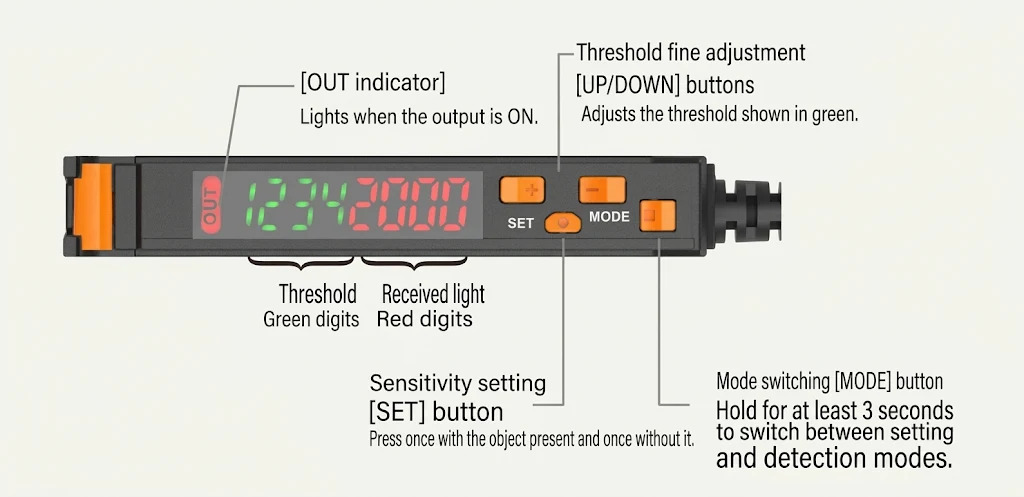
Unlike basic sensors with limited display and adjustment options, the FR-J20N provides two digital displays. You can simultaneously monitor the reference value and received light intensity, making it easier to configure detection thresholds and evaluate signal conditions.
Its main features include:
Dual digital displays: View the reference value and incident light intensity simultaneously.
Adjustable light intensity: Reduce emitted light when detecting transparent or small objects.
Flexible switching modes: Select L.on (light-ON) or D.on (dark-ON) operation.
Multiple response settings: Choose STD, LONG, or HS modes according to detection requirements.
Key lock function: Prevent unauthorized or accidental changes to reference values.
Built-in timer functions: Configure ON delay, OFF delay, and ONE SHOT timing.
These functions help you adapt the sensor to different detection conditions without relying on complicated external adjustments.
The FR-J20N features two four-digit display sections with yellow-green and red indicators. This arrangement allows operators to check the reference value and received light intensity at the same time.
For example, when setting up a detection point on an automated assembly line, you can observe changes in the received signal while adjusting the threshold. This makes parameter configuration more straightforward and helps reduce repeated manual adjustments.
Detecting transparent materials, miniature components, or objects positioned close to the sensing point can be challenging because excessive received light may cause signal saturation.
The FR-J20N addresses this issue through adjustable light output and received signal gain. You can reduce the emitted light intensity when the received signal becomes saturated, helping maintain a usable detection range.
Potential applications include:
Detecting small electronic components during assembly.
Monitoring transparent plastic parts on packaging lines.
Checking the presence of miniature workpieces in automated equipment.
Detecting objects at close range during precision manufacturing.
Actual detection performance depends on the fiber unit, object material, installation distance, and operating environment.
Different production processes require different sensor response speeds. The FR-J20N provides three selectable switching frequency modes:
| Operating Mode | Switching Frequency | Response Time |
|---|---|---|
| STD | 2 kHz | 250 μs |
| LONG | 25 Hz | 20 ms |
| HS | 10 kHz | 50 μs |
The HS mode is suitable for applications requiring faster signal response, while LONG mode provides a slower response for specific detection conditions. STD offers an intermediate configuration for general industrial applications.
You should select the appropriate mode based on object movement speed, detection stability, and the control system's requirements.
During continuous production, accidental changes to sensor settings can affect detection consistency. The FR-J20N includes a key lock function that prevents operators from unintentionally modifying the reference value.
This feature is particularly useful when multiple operators share production equipment or when machines need to maintain consistent detection parameters across shifts.
When selecting an industrial fiber optic sensor, you should evaluate electrical compatibility, response time, environmental conditions, and output configuration.
The following table summarizes the main specifications of the FR-J20N:
| Parameter | Specification |
|---|---|
| Model | FR-J20N |
| Light source | Red LED, 640 nm |
| Output type | NPN open collector |
| Power supply | DC 12–24V ±10% |
| Current consumption | ≤30 mA |
| Load current | Below 100 mA |
| Switching frequency | STD: 2 kHz; LONG: 25 Hz; HS: 10 kHz |
| Response time | STD: 250 μs; LONG: 20 ms; HS: 50 μs |
| Switching mode | L.on / D.on |
| Display | Dual four-digit digital displays |
| Timer function | ON delay, OFF delay, ONE SHOT |
| Ambient temperature | -10°C to 50°C |
| Ambient humidity | 35–85% RH |
| Ambient illumination | Incandescent light ≤20,000 lx; sunlight ≤30,000 lx |
| Protection | Surge, short-circuit, and reverse-polarity protection |
| Housing material | PC |
| Connection | Lead-out type |
The sensor also supports parameter initialization, manual and automatic threshold setting, adjustable emission frequency, basic value tracking, and area detection.
Before purchasing, confirm the wiring configuration, compatible fiber unit, and installation requirements with the manufacturer.
HUAYIFENG offers two corresponding models in the FR-J20 series: FR-J20N and FR-J20P. The primary distinction is their output configuration.
| Comparison | FR-J20N | FR-J20P |
|---|---|---|
| Output type | NPN open collector | PNP output |
| Model designation | NPN type | PNP type |
| Selection priority | NPN-compatible control systems | PNP-compatible control systems |
You should check your PLC input configuration before selecting either model. Choosing the correct output type helps ensure electrical compatibility and prevents unnecessary wiring changes during installation.
If you are integrating a fiber optic sensor into automated equipment, follow these steps to narrow down the appropriate configuration:
Identify the target object: Determine whether you need to detect transparent materials, small components, or conventional solid objects.
Confirm the detection conditions: Check the required sensing distance, installation space, and surrounding light conditions.
Select the output type: Choose NPN or PNP according to your PLC or controller input requirements.
Configure the response mode: Select STD, LONG, or HS based on production speed and signal stability.
Adjust light intensity and thresholds: Monitor both digital displays and optimize the reference value for reliable detection.
Test the complete system: Verify detection performance under actual operating conditions before starting continuous production.
Following this process helps you avoid compatibility issues and select settings that match your production requirements.
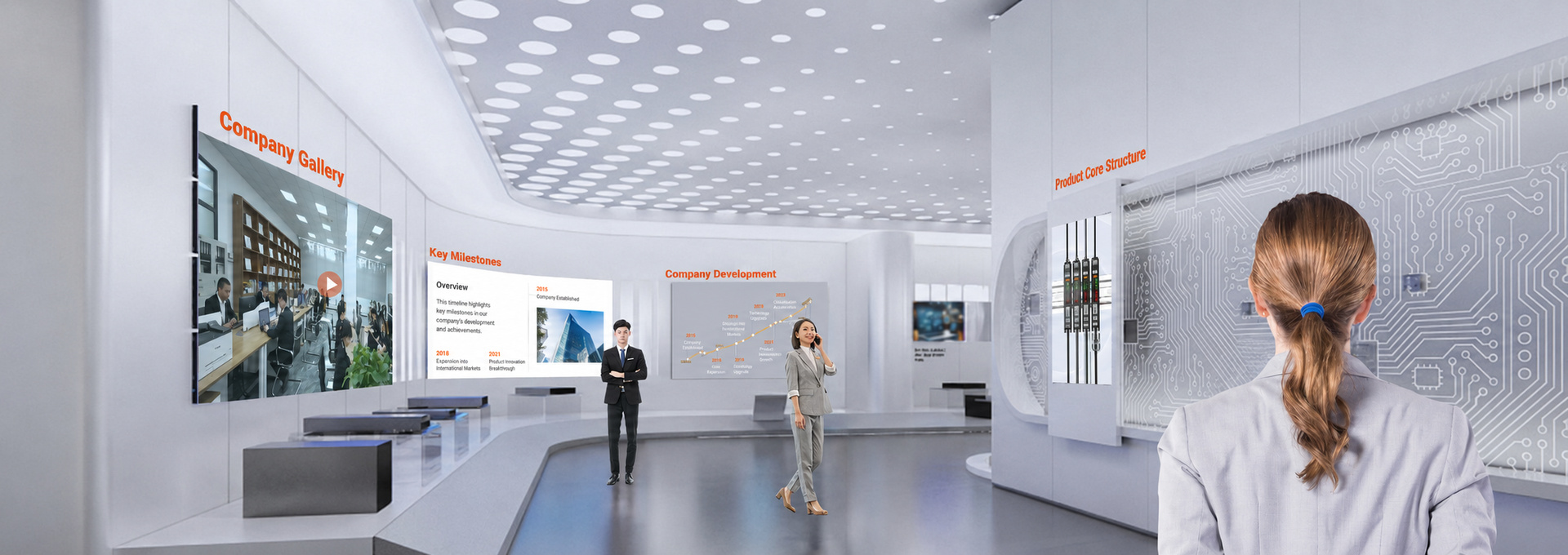
Founded in 2009, Shenzhen Huayifeng Technology Co., Ltd. integrates sensor research and development, manufacturing, sales, and application support. The company provides standard and customized industrial sensor solutions for automation equipment manufacturers, particularly in the new energy, semiconductor, and electronics industries.
Its manufacturing and technical capabilities include:
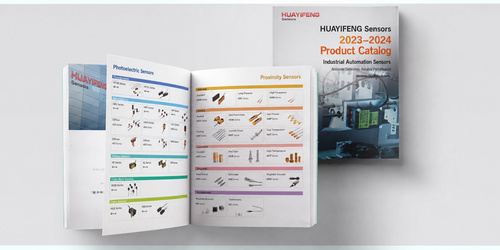
3,000 product models: Covering photoelectric switches, proximity switches, laser ranging, ultrasonic ranging, and safety-related sensing products.
100 core patents: Supporting product development and technical innovation.
28,000 cumulative sales: A company-reported business performance indicator.
18 years of technology accumulation: Experience in industrial sensing and measurement technologies, as stated in its company profile.
18,000 users: A company-reported user base.
150 dealers: Supporting its domestic sales and distribution network.
HUAYIFENG also holds ISO 9001 quality management, ISO 14001 environmental management, and ISO 45001 occupational health and safety management system certifications. Its product portfolio includes CE- and RoHS-certified products, including the FR-J20N model.
With distribution offices and partners across regions including Shenzhen, Suzhou, Ningbo, Wuhan, and Chengdu, HUAYIFENG supports customers with product selection, technical consultation, and customized sensing requirements.
An NPN sensor switches its output toward 0V, while a PNP sensor switches its output toward the positive supply voltage. The correct choice depends on your PLC input circuit and wiring configuration.
Yes. The FR-J20N supports adjustable light intensity and received signal gain. These functions help reduce signal saturation when detecting transparent or small objects. However, actual performance depends on the target material, fiber unit, and installation conditions.
The FR-J20N operates with a DC 12–24V power supply, with a specified voltage tolerance of ±10%. Its current consumption is no more than 30 mA, and its load current must remain below 100 mA.
Choosing the right fiber optic sensor manufacturer is important when your production equipment requires stable object detection, flexible configuration, and dependable technical support. The HUAYIFENG FR-J20N Fiber Optic Sensor combines dual digital displays, adjustable light intensity, multiple response modes, and NPN output compatibility in one compact sensing solution. Whether you need to detect small electronic components, transparent materials, or workpieces on automated production lines, its configurable functions provide practical options for different detection conditions. By matching the sensor's output, response mode, and installation parameters to your equipment, you can build a more suitable industrial detection system.