

Optical fiber sensor is widely used in automatic detection, but if used improperly, it is prone to misjudgment, failure or even damage. Today's "Pit Avoidance Guide" helps you prevent 5 common problems from the source and improve detection stability!
01
Prevention of ambient light
Question:Pulse light (such as inverter light, fluorescent lamp) enters the receiver, causing the sensor to misjudge or oscillate.

Countermeasures:
·A barrier is added between the ambient light source and the sensor receiver.

·Adjust the angle of the receiver during installation to avoid facing ambient light.

·Try to increase the distance between the ambient light source and the receiver.

02
Prevention of Mutual Interference
Question:When multiple sensors are used in parallel, the receiver mistakenly receives the light from the adjacent sensor, resulting in unstable action.

Countermeasures:
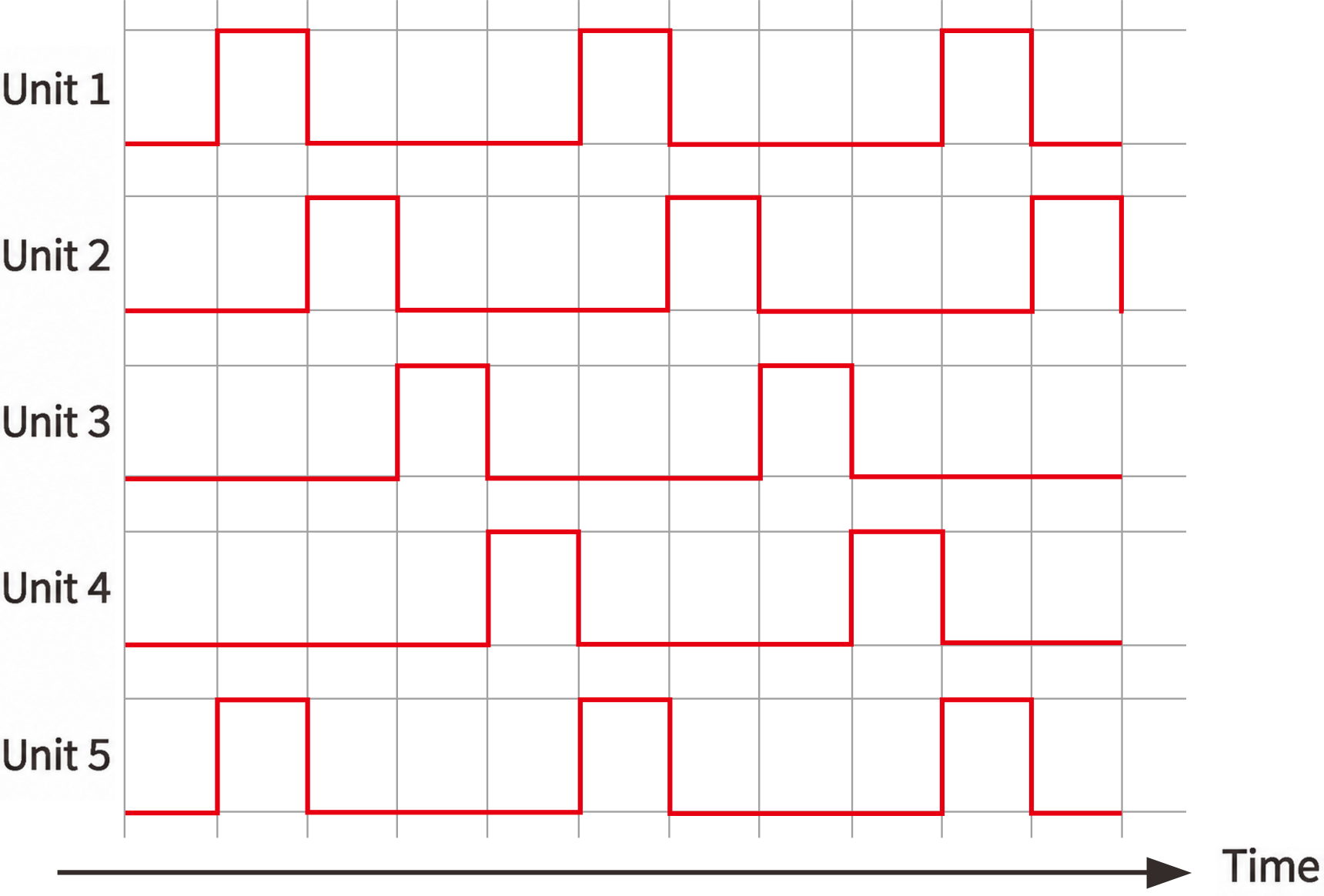
·Use an amplifier that supports the different frequency function (such as the FR-J series) and stagger the light emission time.
anti-interference function]
The reception time point of the optical fiber sensor is the same as the time point of self-pulse light emission. After adding an amplifier, the luminous time point of the additional amplifier will be automatically staggered to prevent interference.
·The position of the transceiver of the opposite-shot sensor can be changed, and the maximum number of two units can be installed tightly.

03
Prevent the shadow of the workpiece color changeRinging
Question:Different colors have a large difference in red light reflectivity (up to 10 times black and white), which leads to unstable light reception and affects the detection results.
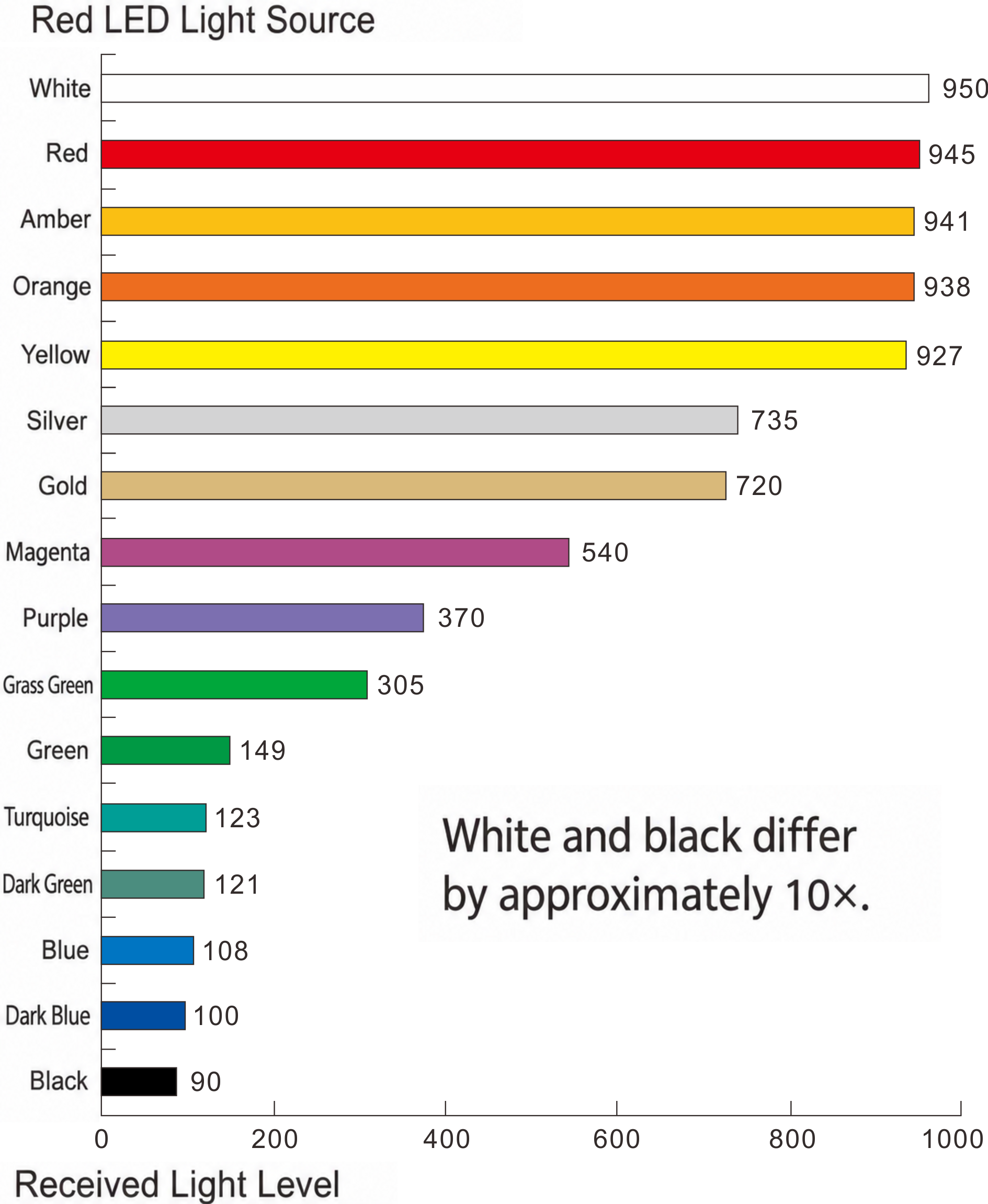
Countermeasures:
·Different colors have a large difference in reflectance of red light (black and white can be 10 times different), and the detection threshold is set based on the most difficult color to reflect.

04
Prevention of detection errors caused by workpiece tilt
Question:When the reflective sensor detects the tilted workpiece, the amount of reflected light is reduced, especially the glossy workpiece is prone to regular reflection, and the amount of light received is sharply reduced when tilted.

Countermeasures:
·First reduce the set value, so that the tilt state can also be detected; then increase the amplifier power to enhance the detection capability.
·Conditional switch to transmission or regression reflection sensors, they are not affected by the workpiece angle, relying on the optical axis to detect.

05
Prevention of breakage of optical fiber components
Question:Tapping, impact or pulling, excessive bending, etc. by a tool or the like will cause the optical fiber element to break, causing the path of light to be cut off, and detection will not be possible.

Countermeasures:
·Select 90 ° right angle type installation structure to prevent hook.

·SelectionSpiral metal sleeve claddingThe fiber optic components enhance impact and pull resistance.
·In the parts that must be bent, chooseSmaller minimum bend radiusfiber optic components.
Master these techniques to make fiber optic sensors more stable and durable!